
Budgeting Planner Essentials: Your Guide to Financial Control and Confidence

Managing your money can feel overwhelming at times. But with the right tools and approach, you can take control of your finances and build a secure future. One of the best ways to do this is by using a budgeting planner. It’s not just about tracking expenses; it’s about creating a clear, manageable plan that fits your life and goals.
In this post, I’ll walk you through the budgeting planner essentials you need to get started. I’ll share practical tips, step-by-step guidance, and gentle encouragement to help you feel confident every step of the way.
Why Budgeting Planner Essentials Matter
A budgeting planner is more than a list of numbers. It’s a roadmap that helps you understand where your money goes and how to make it work for you. When you have the right essentials in place, you can:
Avoid financial surprises
Reduce stress about bills and expenses
Save for important goals like emergencies, education, or a home
Build habits that lead to lasting wealth
Think of your budgeting planner as a trusted companion. It supports you in making informed decisions and keeps you on track, even when life throws curveballs.
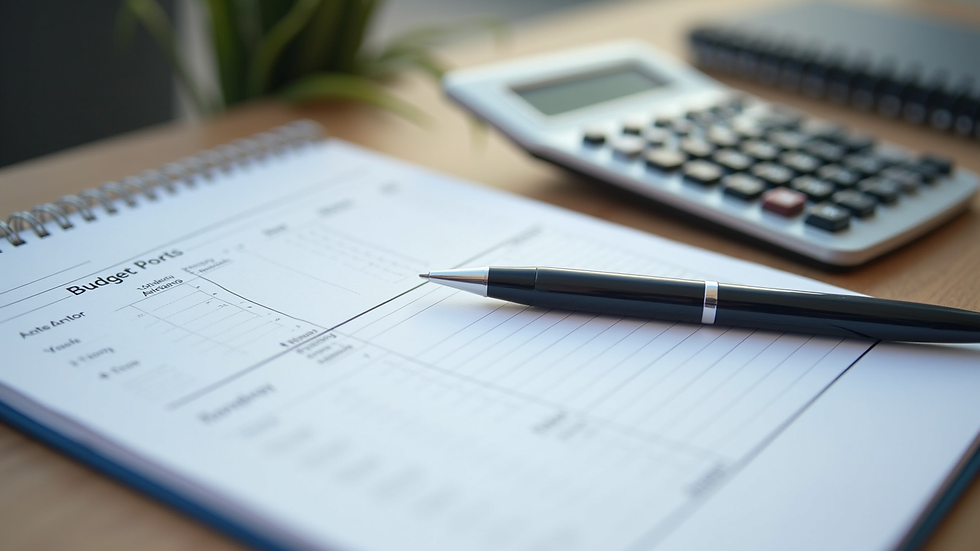
Building Your Budgeting Planner Essentials
To create a budgeting planner that truly works, you need to include a few key components. These essentials help you see the full picture of your finances and make adjustments as needed.
1. Income Tracking
Start by listing all sources of income. This includes your salary, freelance work, side gigs, and any other money coming in regularly. Knowing your total income is the foundation of your budget.
2. Fixed Expenses
These are bills that stay the same each month, like rent or mortgage, utilities, insurance, and loan payments. Tracking these helps you understand your baseline spending.
3. Variable Expenses
These costs can change month to month, such as groceries, gas, entertainment, and dining out. Keeping an eye on these helps you find areas to save.
4. Savings Goals
Set clear goals for your savings. Whether it’s an emergency fund, retirement, or a vacation, having a target motivates you to stick to your plan.
5. Debt Management
Include any debts you owe and plan how to pay them down. Prioritize high-interest debts to reduce financial strain faster.
6. Review and Adjust
Your budget isn’t set in stone. Regularly review your planner to see what’s working and where you can improve. Life changes, and your budget should too.
What are 7 Essential Items You Need in Your Budget?
To make your budgeting planner truly effective, here are seven must-have items to include:
Monthly Income - Total all your earnings after taxes.
Housing Costs - Rent, mortgage, property taxes, and maintenance.
Utilities - Electricity, water, gas, internet, and phone bills.
Food and Groceries - Plan for meals and household supplies.
Transportation - Gas, public transit, car payments, and maintenance.
Debt Payments - Credit cards, student loans, and other debts.
Savings Contributions - Emergency fund, retirement, and other savings.
Including these items ensures you cover all critical areas of your finances. It also helps you spot where you might be overspending or where you can increase savings.
Tips for Staying Consistent with Your Budgeting Planner
Creating a budgeting planner is one thing. Sticking to it is another. Here are some simple strategies to help you stay on track:
Set Realistic Goals: Don’t aim for perfection. Start with small, achievable targets.
Use Visual Aids: Charts and graphs can make your progress clear and motivating.
Schedule Regular Check-Ins: Weekly or monthly reviews keep you accountable.
Celebrate Milestones: Reward yourself when you hit savings goals or pay off debt.
Be Flexible: Life changes, so adjust your budget as needed without guilt.
Remember, budgeting is a journey. It’s okay to make mistakes and learn as you go.

How to Choose the Right Budgeting Planner for You
There are many types of budgeting planners available, from paper notebooks to digital apps. Choosing the right one depends on your preferences and lifestyle.
Paper Planners: Great if you like writing things down and having a physical record.
Spreadsheets: Offer flexibility and can be customized to your needs.
Mobile Apps: Convenient for tracking expenses on the go and often include reminders.
Try different options to see what feels easiest and most motivating for you. The best planner is the one you will actually use consistently.
Moving Forward with Confidence
Taking control of your finances starts with a simple step - creating a budgeting planner that fits your life. By including the essentials and reviewing your progress regularly, you build a strong foundation for financial stability.
If you want to explore more about the **essentials of budgeting planner**, this resource can guide you further in making practical financial literacy accessible and effective.
Remember, every small step you take today brings you closer to a future free from financial stress and full of opportunity. You have the power to create lasting wealth and security for yourself and your loved ones.
Start your budgeting journey now - your future self will thank you.


Comments